Post-Claim Services
Vehicle Depreciation
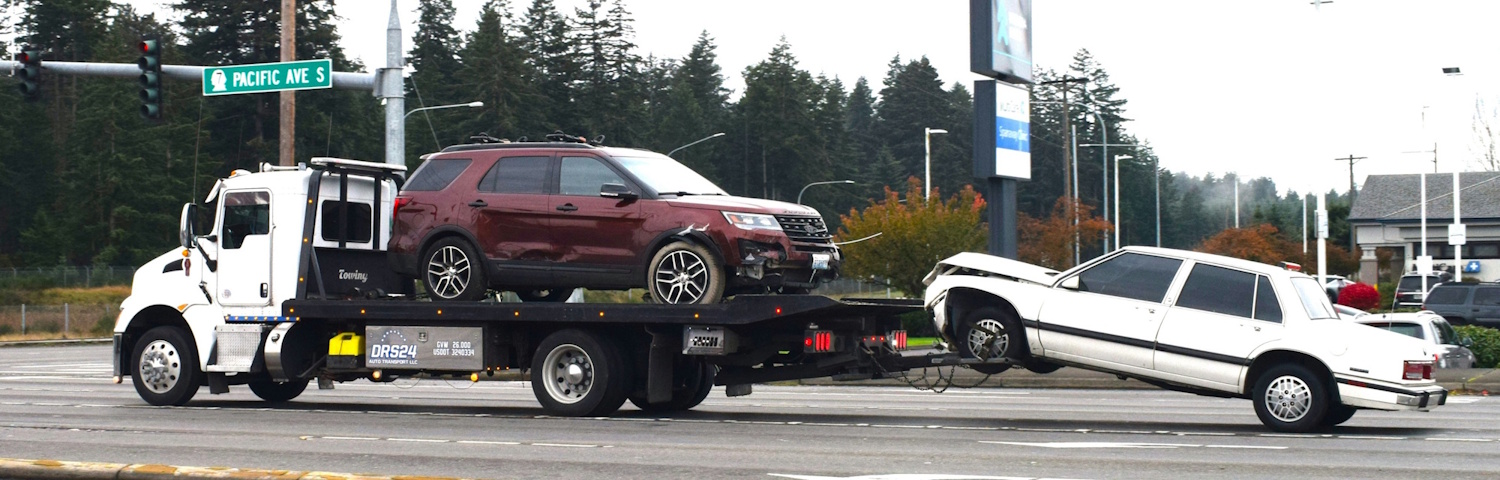
Vehicle depreciation (diminished value) means that after damage from a traffic accident, collision or theft, a vehicle may not regain its previous market value even if fully repaired. Once a car has been in an accident, its second-hand value is often lower than that of an identical undamaged vehicle.
This matters especially in used-car sales: future buyers typically value a previously damaged vehicle lower than a clean one with the same model and features.
Factors Affecting Depreciation
- Pre- and post-accident value: The difference between market value before and after the accident is the key indicator.
- Model and age: Newer vehicles may suffer larger depreciation; older cars often see a smaller gap.
- Extent of damage: Minor damage usually causes limited loss, while structural damage can lead to serious value reduction.
- Repair quality: Professional repairs with original parts can reduce loss; poor workmanship or aftermarket parts may increase it.
How to Claim Depreciation Compensation
If your vehicle’s market value decreases after an accident, you may claim depreciation compensation. Insurers often focus on repair costs and may not pay depreciation unless you request it.
Recommended Steps:
- Record the damage: Prepare an official accident/damage report and submit it to the insurer.
- Repair process: Have the vehicle repaired at an authorized or insurer-approved workshop.
- Obtain a depreciation report: After repairs, get a report calculating the value loss from a valuation expert.
- Apply to the insurer: Submit the report and claim compensation.
- Seek legal support if needed: If the claim is rejected or underpaid, legal advice can help protect your rights.
Conclusion
A drop in market value after an accident can be a serious financial loss. By following the right steps you can seek recovery from insurers. For professional support tailored to your situation and current regulations, please contact us.